Department of Regional Planning - دانشکده شهرسازی urban
Department of Regional Planning
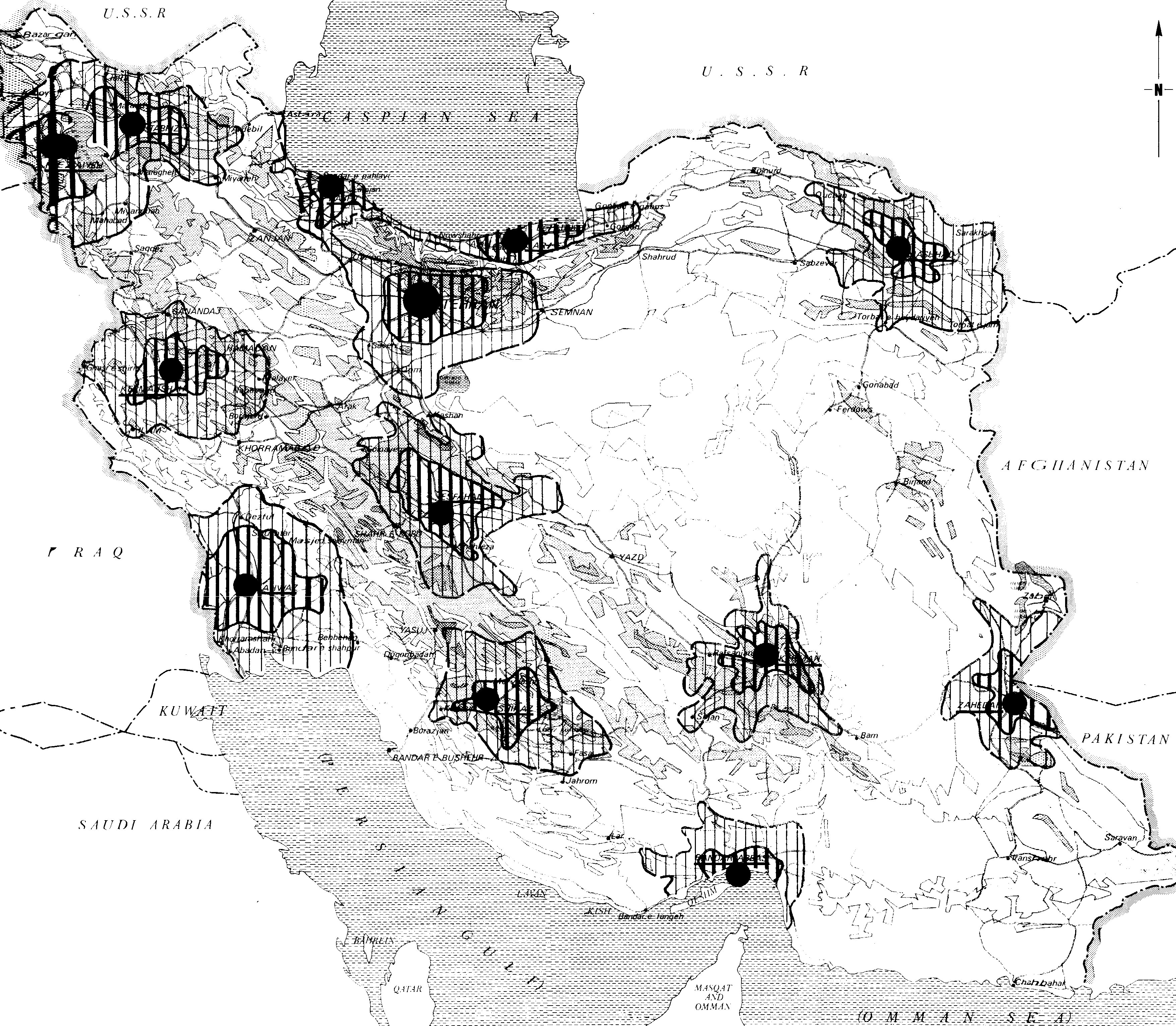
The Regional Planning Department focuses on the study and analysis of development processes at scales beyond the city, encompassing regional, national, and transnational levels. With an emphasis on the interrelationships among settlements, cities, regions, and spatial systems, the department examines regional inequalities, patterns of population and economic activity distribution, socio-economic transformations, and the spatial implications of development policies.
The department’s teaching and research areas cover a wide range of topics, including theories and methods of regional planning, spatial organization and territorial planning, regional and local development, spatial planning, settlement systems and urban networks, regional economics, environmental planning, natural resource management, sustainable regional development, and territorial resilience.
Emphasizing an understanding of the spatial differences and potentials of regions, as well as the connections between different levels of development, the department seeks to develop approaches and strategies that promote a more balanced distribution of opportunities and resources, reduce spatial inequalities, and guide sustainable territorial development processes. Addressing challenges such as centralization, migration, regional disparities, climate change, and resource management constitutes an important part of the department’s academic and research activities.